People who are interested in natural wellness supplements often ask whether kratom contains caffeine, especially since both are known for their stimulating effect at lower doses.
The straightforward answer is no. Kratom does not naturally contain caffeine. Kratom and caffeine are two different substances derived from completely different plants. The comparison is understandable, and we will need to learn how they differ and sometimes interact.
Understanding the Two Substances: Kratom vs. Caffeine
Let’s learn about each substance individually by its source and primary compounds.
What is Kratom?
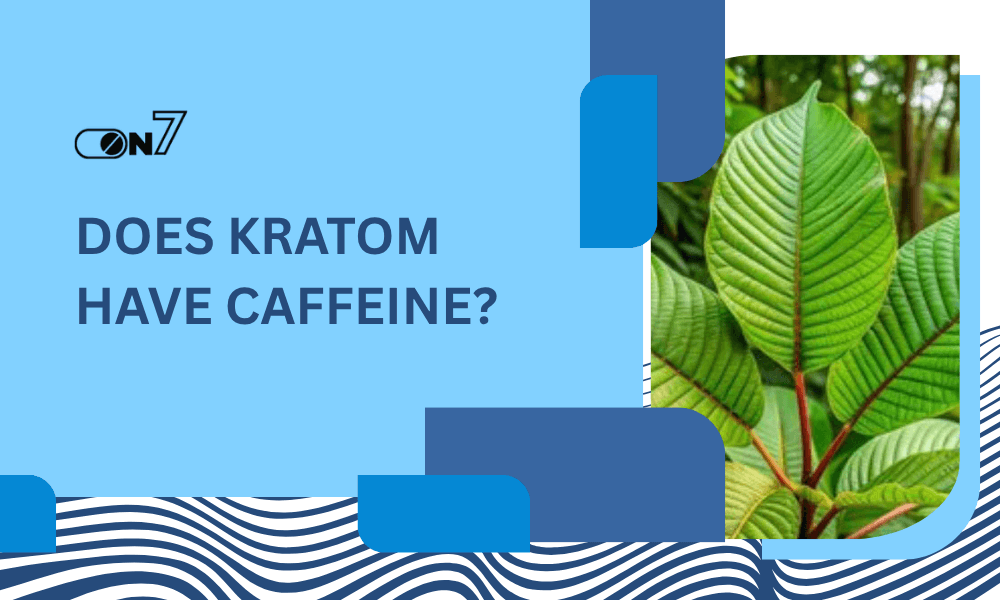
Kratom is a tropical tree native to Southeast Asian countries such as Malaysia, Indonesia, and Thailand. It contains two active compounds, mitragynine and 7-hydroxymitragynine, which are collectively known as alkaloids. These alkaloids interact with opioid receptors in the brain and produce a range of stimulating and energizing effects at lower doses (1-3 grams) and lead to sedating and pain-relieving effects at higher doses (5+ grams).
What is Caffeine?
Caffeine is a natural stimulant that comes from a class of compounds called methylxanthines. You may know about caffeine as it is famously found in coffee beans, tea leaves, cacao pods, and guarana. Coffee prevents the feeling of tiredness and promotes alertness by blocking adenosine receptors in the brain.
Kratom has various strains; white or green kratom strains provide you a similar effect to caffeine, including alertness and laser-sharp focus. The chemicals that create these feelings are entirely different between caffeine and kratom.
The Core Difference: Mechanism of Action
- Caffeine comes from the seeds/beans of coffee, tea leaves, cacao, etc.; however, kratom comes from the leaves of the Mitragyna speciosa tree.
- Active compounds in kratom are mitragynine and 7-hydroxymitragynine, while caffeine contains methylxanthine.
- Kratom interacts with opioid receptors such as mu, delta, and kappa, while caffeine targets adenosine receptors.
- Both kratom and caffeine produce stimulation, energy, alertness, and focus at low doses.
- At high doses, kratom causes sedation, pain relief, and relaxation, while caffeine at higher doses causes anxiety, jitters, insomnia, and increased heart rate.
- Both caffeine and kratom have a risk of physical dependence and addiction.
The Combined Effect: What Happens If You Mix Them?
Some users consciously combine coffee with kratom, as kratom contains no caffeine, for example, drinking coffee with their morning kratom dose. This interaction has several risks and benefits, which is why understanding its potential interaction is crucial.
Potential Synergistic Effects:
Most users combine coffee with kratom to enhance energy and focus. A low dose of white kratom strain with coffee can create a powerful drink best for boosting energy and focus.
Some users take advantage of a strong caffeine buzz by mixing it with kratom to counteract the sedative effects that sometimes come with kratom.
Potential Risks and Negative Interactions:
Combining two stimulants can easily cause overstimulation, heightened anxiety, jitters, rapid heartbeat, and restlessness. Both caffeine and kratom can elevate heart rate and blood pressure. People who are dealing with cardiovascular issues should not combine kratom with caffeine.
Both caffeine and kratom have diuretic properties, and combining them can significantly increase the risk of headache, dizziness, and dehydration if you don’t drink enough water.
It’s hard to measure the right dose of both components; consuming them together can lead to overconsumption and various side effects.
Important Considerations and Safety Advice
If you are combining caffeine and kratom, you must begin with a lower dose of both than you normally take individually. For instance, try half your usual coffee with half your typical kratom dose. It’s important to drink plenty of water before and after your consumption. It’s important to listen to your body, as some combinations are not for everyone. If you feel dizziness, anxiety, nausea, or have sweats, it’s a clear sign to avoid mixing them in the future. The quality of kratom also matters a lot. Always buy from a reputable vendor who provides third-party lab results to ensure purity and absence of contamination. You can find high-quality kratom at ON7.
More Resources: