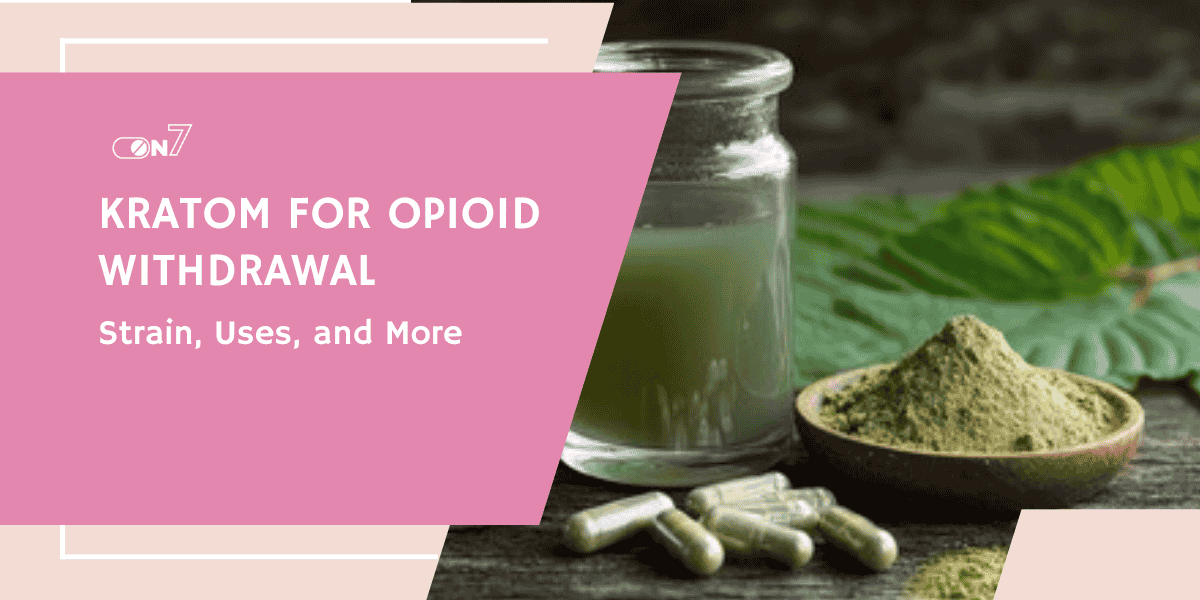
The opioid crisis has encouraged many individuals to find alternative options for managing dependence, and Kratom has emerged as a controversial yet widely discussed option. Some people use it for opiate withdrawal to alleviate the symptoms of discontinuation.
This is an extremely serious topic that requires clear and cautious information. That’s why we have curated an article on what opioid withdrawal is. discussing the potential role of kratom and other critical considerations for anyone looking to use kratom for opioid withdrawal.
What is Opioid Withdrawal?
Opioid withdrawal is a set of severe flu-like symptoms. It occurs when a person who is physically dependent on opioids like prescription painkillers, heroin, or fentanyl suddenly reduces the amount or stops their use. The constant presence of the drug makes the body used to it. The sudden absence causes nervous system chaos.
You can feel symptoms like severe muscle aches and bone pain, restlessness and insomnia, anxiety, agitation, and depression. You may also feel nausea, vomiting, diarrhoea, sweating, chills, and a runny nose. The intense drug cravings are also a prominent symptom.
This acute face of opioid withdrawal can last for a week or more. As the primary relapse occurs, using opioids becomes the only way to stop the misery.
How is Kratom for Opioid Withdrawal Used?
The theory of using kratom for opiate withdrawal is based on its pharmacology. Kratom has two main alkaloids, mitragynine and 7-hydroxymitragynine, that interact with the same opioid receptors in the brain that are triggered by prescriptions and illicit opioids.
Kratom partially activates opioid receptors to provide relief from the most severe physical withdrawal symptoms, like pain and restlessness. It provides physical and mental relief. As kratom is known to improve mood, it may help mitigate the anxiety and dysphoria that often come with withdrawal symptoms.
Kratom serves as a bridge, which means it helps to wean off opioids by switching from a stronger opioid to kratom and then gradually tapering the kratom dose down to zero.
Strains for Opioid Withdrawal: What to Consider?
Kratom has a wide selection of strains based on vein type, the region they are sourced from, and specially processed strains. If you are choosing k for opioid withdrawal strains, selection is important. Your goal must be to manage symptoms without introducing excessive stimulation. Most recommended strains are;
- Red Bali: Red Bali is a potent strain that is known to provide sedative and pain-relieving properties. It can help with muscle aches, anxiety, and sleep disturbances.
- Red Borneo/Red Sumatra: These strains are known for strong relaxation and comfort. Red Borneo eases physical and mental tension withdrawal.
- White and Green Strains are not used as they are more energizing and can exacerbate anxiety, restlessness, and jitters. The symptoms are already overwhelming during withdrawal.
Critical Warnings and Considerations
These points are not considered medical advice. Consulting a doctor is essential.
- Not a Medically Approved Treatment:
Kratom is not a medical product. It is not an FDA-approved medication for the treatment of opioid withdrawal. Proven, supervised treatments like Medication-Assisted Treatment (MAT) with buprenorphine or methadone are the gold standard and significantly increase long-term success rates.
- Risk of Switching Addictions:
Using kratom for opioid withdrawal carries multiple side effects and a high risk of simply transferring dependency from one substance to another. Kratom itself can be habit-forming, and it has its own withdrawal syndrome. Kratom addiction is often reported as less severe but still challenging.
- Unregulated Product Risk:
The kratom market is highly unregulated, which means inconsistent potency, contamination, or adulteration, leading to unpredictable effects.
- Dosage is Highly Individual and Critical:
There is no established protocol for kratom dosing. Experts only suggest starting with a low dose to avoid dizziness and nausea.
- Can Interfere with Professional Treatment:
Using kratom can disqualify you from or complicate legitimate MAT programs.
Professional Treatment of Opioid Withdrawal
The professional treatment of opioid withdrawal involves medical supervision. Options include:
- MAT(medication-assisted treatment): FDA-approved medications like buprenorphine (Suboxone) or methadone are used to manage withdrawal and cravings safely.
- Medical Detox: Supervised detox in a clinical setting is applied to manage symptoms with appropriate medications.
- Behavioural Therapy: Counselling is used to address the psychological aspects of addiction.
Also, see: